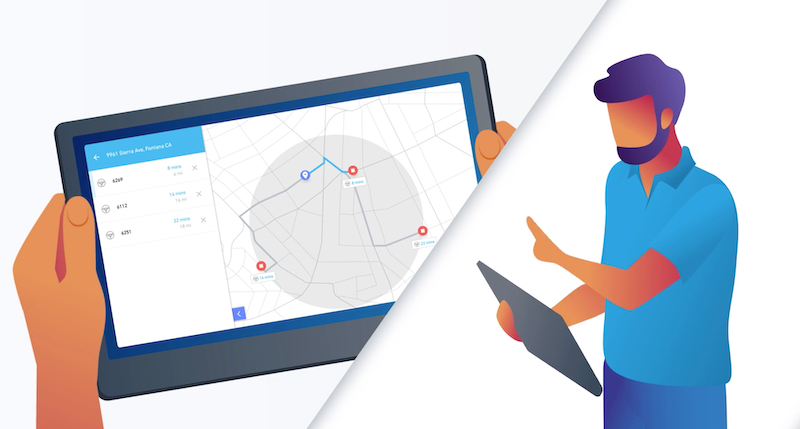
The Science Behind Tracking the Untrackable: Technology That Captures Every Move
In today's world, the ability to track seemingly untrackable elements is revolutionizing industries and reshaping the way we understand behavior. The science behind tracking the untrackable relies heavily on advancements in technology that leverage data analytics, artificial intelligence, and machine learning. By utilizing a myriad of techniques such as GPS tracking, biometric sensors, and big data, organizations can now monitor movements and actions with unprecedented accuracy. These innovations enable businesses to not only enhance their operational efficiencies but also improve customer experiences by personalizing services based on user behavior.
One prominent example of this technology is the emergence of smart wearable devices, which gather extensive data about a user’s daily activities. These devices often utilize sophisticated algorithms to analyze patterns and predict future behavior, providing insights that were previously thought to be untrackable. Furthermore, advancements in remote sensing technology allow for real-time location tracking even in challenging environments, such as dense urban areas or remote locations. Thus, the continuous evolution of tracking technology not only enhances our ability to capture every move but also raises important ethical considerations regarding privacy and data security.
Counter-Strike is a popular multiplayer first-person shooter that has captivated gamers worldwide since its initial release in 1999. The game focuses on team-based tactics where players assume the roles of terrorists or counter-terrorists. To enhance your gameplay, you might also consider checking out Top 10 airtag accessories that can help keep your gear organized and trackable.
Top 5 Techniques for Monitoring the Elusive: Strategies for Comprehensive Tracking
In today’s fast-paced digital landscape, monitoring what is often considered elusive is paramount for businesses striving to maintain a competitive edge. One of the first techniques to adopt is social media listening. This involves using tools that scan social platforms for mentions of your brand, competitors, and industry keywords. By understanding what customers are saying and feeling about your offerings, you can tailor your marketing strategies accordingly. Moreover, leveraging Google Analytics for real-time website traffic analysis allows you to track user behavior more effectively, helping identify trends and optimizing content for better engagement.
Another effective technique is to implement customer feedback loops. Regularly soliciting feedback not only helps in identifying pain points but also fosters loyalty among your audience. Surveys, polls, and online reviews can provide invaluable insights into customer preferences. Additionally, employing geolocation tracking can enhance your monitoring efforts by allowing you to understand where your most engaged users are located. This information can feed into localized marketing strategies that resonate more deeply with your target audience. Lastly, consider utilizing AI and machine learning technologies that can help in automating data analysis, making your tracking efforts more sophisticated and efficient.
Is It Possible to Track the Untrackable? Exploring Effective Tools and Methods
In the digital age, the concept of tracking the untrackable raises questions about privacy, technology, and ethical considerations. While it may seem impossible to follow every digital footstep, advancements in tools and methodologies have made tracking even the most elusive targets feasible. Effective tools such as sophisticated analytics software, AI-driven algorithms, and social media monitoring platforms are at the forefront of this evolving landscape. These technologies not only utilize data from various sources but also apply predictive analytics to understand behavioral patterns, paving the way for greater insights.
Moreover, the methods employed for tracking can vary widely, ranging from traditional techniques like IP tracking and cookie analysis to more advanced approaches including geolocation data and blockchain technology. For instance, utilizing a comprehensive customer relationship management (CRM) system can help in assembling scattered pieces of data into a coherent profile. However, it is crucial to navigate this intricate web with an awareness of the ethical implications and to ensure compliance with laws such as GDPR. As we delve deeper into this subject, the discussion surrounding the balance of tracking capabilities and privacy rights becomes increasingly significant.