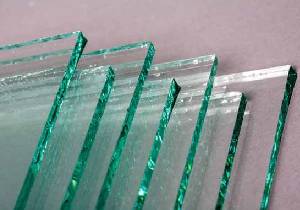
The Benefits of Tempered Glass: Why It's a Game Changer in Modern Design
Tempered glass has revolutionized modern design, offering a unique blend of aesthetics and functionality. As a type of safety glass, it is created by heating and then rapidly cooling the glass, which makes it significantly stronger than standard glass. This process results in a product that is resistant to thermal stress and impact, making it ideal for use in a variety of applications, from windows and doors to shower enclosures and decorative partitions. In an era where safety and durability are paramount, the use of tempered glass not only enhances visual appeal but also ensures a higher level of protection for both users and the surrounding environment.
Moreover, the versatility of tempered glass allows designers and architects to push boundaries, creating striking designs that were previously unattainable with traditional materials. Its ability to be manufactured in various thicknesses and finishes means that it can meet a wide range of aesthetic preferences and functional needs. Additionally, tempered glass is easy to maintain, not prone to accumulating dust or stains, which further solidifies its position as a favored material in contemporary interior and exterior design. As more builders and homeowners recognize these benefits, it’s clear that tempered glass is indeed a game-changer in modern design.
Counter-Strike is a popular team-based first-person shooter that first gained traction in the late 1990s. The game pits terrorists against counter-terrorists in various objective-based matches, requiring teamwork and strategy. Players can customize their loadouts and purchase weapons and equipment between rounds, adding an element of tactical depth. For those looking to protect their devices, check out the Top 10 iphone privacy screen protectors to keep their screens secure while enjoying gaming sessions.
Tempered Glass vs. Regular Glass: What Designers Need to Know
Tempered glass has become increasingly preferred among designers for its durability and safety features when compared to regular glass. Through a process of extreme heating and rapid cooling, tempered glass is made stronger than its non-tempered counterpart, allowing it to withstand greater impacts and temperature fluctuations. This makes it ideal for applications where safety is paramount, such as in shower doors, glass façades, and tabletops. Furthermore, in the event of breakage, tempered glass shatters into small, blunt pieces rather than sharp shards, significantly reducing the risk of injury.
Despite these advantages, it’s crucial for designers to recognize the limitations of tempered glass. For instance, once it has been manufactured, tempered glass cannot be cut or altered, making precise customizations a challenge. Additionally, while tempered glass offers enhanced durability, it may come with a higher price tag than regular glass due to the specialized manufacturing process. Designers should weigh these factors carefully and consider how the choice between tempered glass and regular glass aligns with their project requirements and client expectations.
How Tempered Glass Revolutionizes Both Aesthetics and Safety in Architecture
Tempered glass has become a game-changer in modern architecture, seamlessly blending aesthetics with safety. Its unique manufacturing process, which involves heating and cooling the glass, enhances its strength and durability compared to standard glass. This innovation allows architects to design structures that feature expansive glass facades, providing a sleek, contemporary look while ensuring maximum safety. The ability to incorporate large glass panels not only enhances natural light but also creates an illusion of spaciousness in both residential and commercial buildings.
In addition to its visual appeal, tempered glass significantly improves safety in architectural design. Due to its resistance to impact and thermal stress, this material reduces the risk of shattering upon impact, making it an ideal choice for high-rise buildings, glass railings, and skylights. Furthermore, when broken, tempered glass crumbles into small, blunt pieces rather than sharp shards, minimizing the danger of injury. As architects continue to prioritize safety and aesthetics, tempered glass stands out as a reliable solution that enhances the overall integrity and beauty of modern architecture.