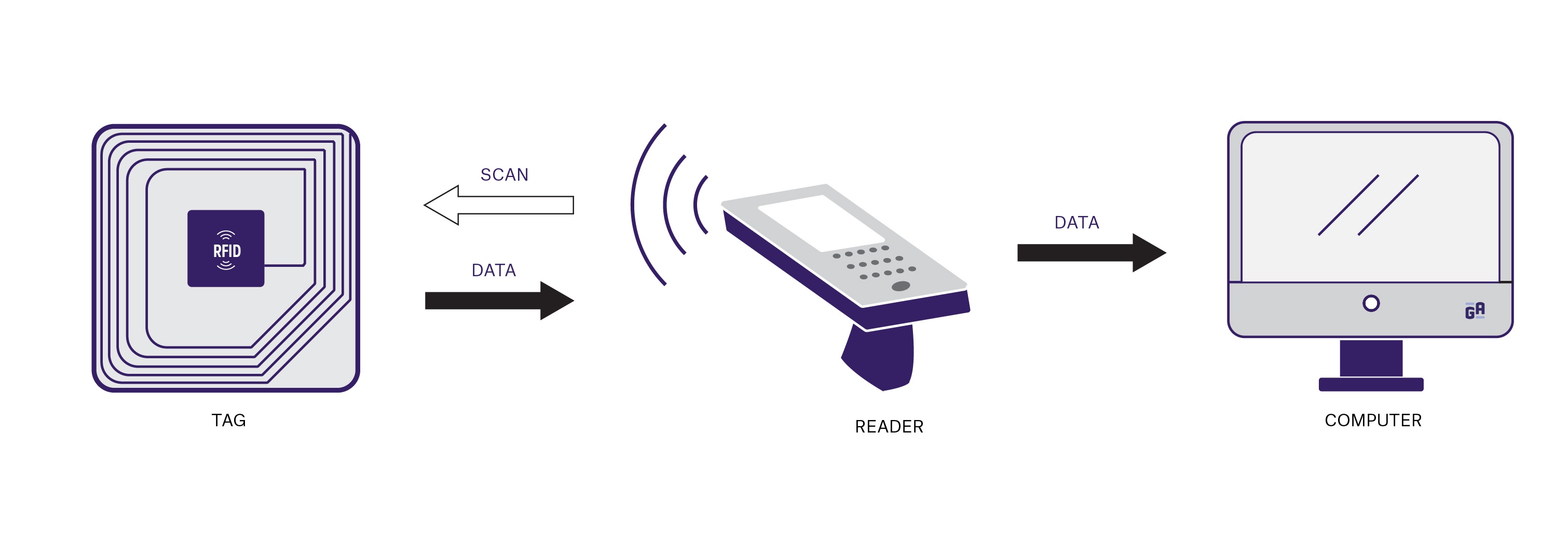
How RFID Technology is Transforming Everyday Life
RFID technology is revolutionizing the way we interact with the world around us, from retail to healthcare. The use of Radio-Frequency Identification has streamlined processes, enhanced inventory management, and improved efficiency in various sectors. For example, in retail, RFID tags help businesses accurately track inventory, reduce losses from theft, and provide a more seamless shopping experience for customers. As shoppers can find what they need more quickly and easily, stores benefit from higher customer satisfaction and increased sales.
Moreover, RFID technology is making significant strides in healthcare as well. Hospitals and clinics are implementing RFID tags to track medical equipment, medications, and even patients. This ensures that the right equipment is available at the right time, reduces the risk of medication errors, and enhances overall patient safety. As a result, healthcare providers are becoming more efficient, which translates to better care for patients. The adoption of RFID technology is not only transforming everyday life but also paving the way for innovative solutions across various industries.
Counter-Strike is a multiplayer first-person shooter game that has gained immense popularity since its release in the late 1990s. Players compete in teams, typically as terrorists or counter-terrorists, to complete objectives such as bomb defusal or hostage rescue. As the game has evolved, it has spawned various versions, with Top 10 magsafe wallets being one of the many products and accessories that enhance the gaming experience.
The Benefits and Challenges of RFID: What You Need to Know
RFID, or Radio Frequency Identification, offers numerous benefits that can greatly enhance efficiency and accuracy in various industries. One of the key advantages is its ability to automate processes, reducing manual labor and minimizing human error. For instance, inventory management becomes significantly streamlined as RFID technology allows for real-time tracking of products. Additionally, companies can benefit from improved visibility into their supply chains, enabling them to make more informed decisions based on accurate data. With the potential to increase productivity and reduce operational costs, the adoption of RFID systems is an attractive option for businesses looking to innovate and compete in today's market.
However, the implementation of RFID technology does come with its own set of challenges. Initial setup costs can be high due to the need for specialized equipment and training, which can deter smaller businesses from adopting the technology. Moreover, there are concerns related to data privacy and security, as RFID systems can potentially be vulnerable to hacking and unauthorized access. Additionally, compatibility issues may arise when integrating RFID with existing systems, leading to operational disruptions. It is essential for organizations considering RFID to weigh these challenges against the significant benefits, ensuring they have a comprehensive understanding of the technology before making a commitment.
Is RFID Tracking Enhancing Our Lives or Compromising Our Privacy?
RFID Tracking technology has sparked a heated debate about its dual impact on our lives. On one hand, RFID (Radio-Frequency Identification) enhances everyday experiences, making our interactions more convenient and efficient. From smart inventory management in retail stores to streamlined tracking of medical instruments in hospitals, the advantages are clear. This innovative technology facilitates faster checkouts, reduces waste, and helps businesses optimize their operations, which ultimately benefits consumers. For example, when you scan your loyalty card at a grocery store, the RFID system quickly processes your information, saving you valuable time.
On the other hand, the rise of RFID Tracking raises significant concerns regarding privacy. As more devices become interconnected, the potential for unauthorized access to personal information increases. Critics argue that the ability to track items and individuals in real-time could lead to an unprecedented level of surveillance, making it easier for companies and governments to monitor our behaviors without consent. This growing worry is compounded by the fact that many consumers are unaware of how RFID technology operates and the implications it has for their privacy. Thus, balancing the benefits of RFID with the fundamental right to privacy remains a pressing challenge in our tech-driven society.