How Gaming Influences Real-World Communities: A Deep Dive
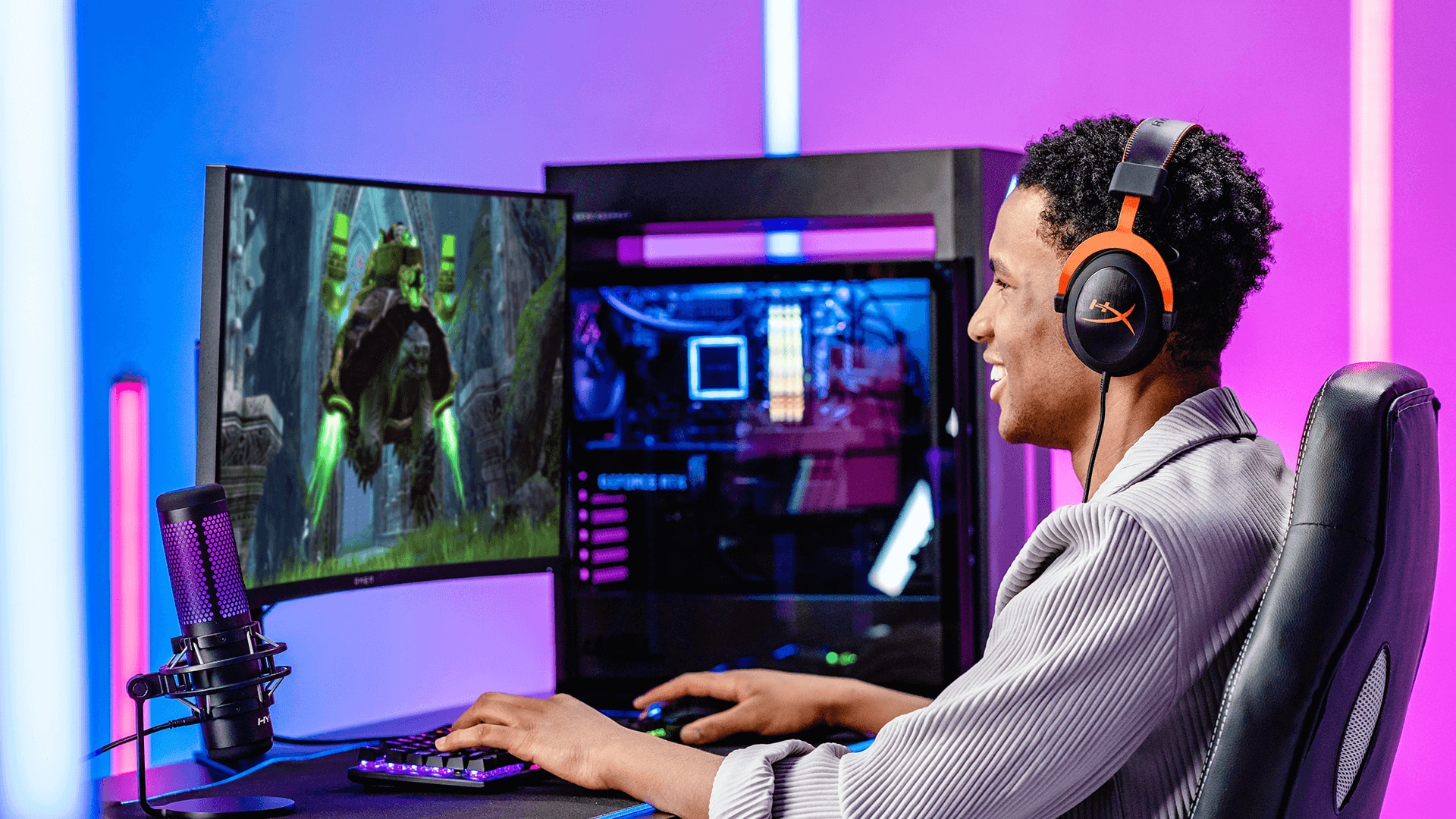
In recent years, the influence of gaming on real-world communities has become a subject of great interest among researchers and enthusiasts alike. Gaming has evolved beyond mere entertainment; it now plays a crucial role in shaping social dynamics, economic interactions, and even cultural identities. For instance, multiplayer online games serve as virtual meeting places for players from diverse backgrounds, fostering friendships and collaborations that transcend geographical barriers.
Moreover, many gaming communities actively engage in philanthropic efforts, using their platforms to raise awareness and funds for various social causes. Through organized events, such as charity streams and in-game fundraisers, gaming communities demonstrate a significant impact on real-world issues, helping to mobilize resources and support for those in need. This phenomenon not only illustrates the power of collective action but also highlights the potential for gaming to effect positive change in society.
Counter Strike is a highly popular first-person shooter game that emphasizes teamwork and strategy. Players can choose to be part of counter-terrorists or terrorists, each with unique objectives. For those looking to enhance their gaming experience, it's essential to have the right setup, including a comfortable monitor. Check out the Top 10 external monitors for mac to optimize your gaming visuals.
The Evolution of Avatar Identity: From Pixels to Personal Connection
The concept of avatar identity has undergone a remarkable transformation since its inception in the digital realm. Initially, avatars were mere pixels, simple representations created with limited graphics capabilities. Early online platforms relied heavily on basic ASCII figures and rudimentary graphics, leaving little room for individual expression. However, as technology advanced, avatars began to evolve into more sophisticated digital representations. With the rise of gaming and virtual worlds, users were afforded the opportunity to create **custom avatars**, leading to a sense of ownership and connection that was previously unattainable.
Today, avatar identity transcends its original function, bridging the gap between digital interactions and **personal connection**. In virtual environments like social media, gaming, and augmented reality, avatars have become an extension of the self, enabling users to present customized identities that reflect their personality and values. This evolution has fostered communities that thrive on social engagement and collaboration, allowing individuals to forge meaningful connections that can endure beyond the screen. As we continue to develop more immersive technologies, the future of avatar identity promises even deeper **personal engagement**, blurring the lines between the virtual and real world.
Do Video Games Foster Genuine Friendships? Exploring Social Bonds in Gaming
The rise of online gaming has transformed how players interact, leading many to wonder: do video games foster genuine friendships? With platforms like Discord and games that encourage teamwork, players find themselves collaborating to achieve common goals, often creating bonds that extend beyond the virtual world. This shared experience can lead to lasting friendships, as players communicate through in-game chats and voice calls, sharing not only strategies but also personal stories and life experiences.
Moreover, several studies suggest that the social environment of online gaming encourages players to connect on a deeper level. For instance, a 2021 study indicated that over 70% of gamers reported forming friendships through their gaming experiences. These relationships can provide emotional support and a sense of belonging, showcasing that the connections formed in gaming are not merely superficial. While some may view gaming as isolating, it's evident that, for many, it serves as a springboard for genuine social interaction and friendship.