The Role of Ergonomics in Office Chair Design: Protecting Your Back
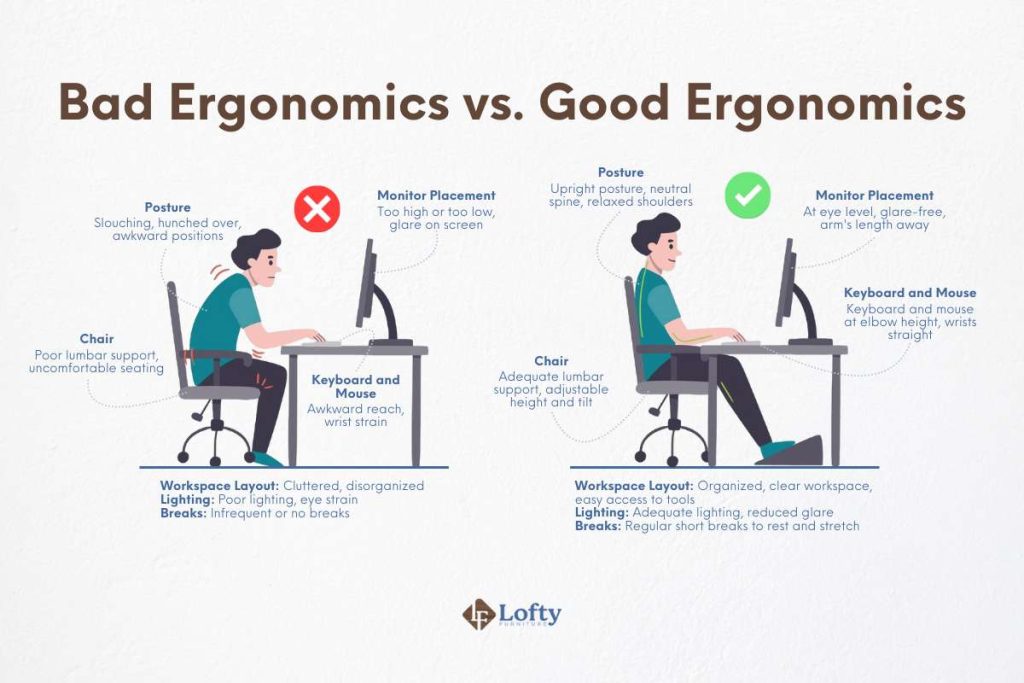
The role of ergonomics in office chair design is crucial for maintaining a healthy workspace and protecting your back. Ergonomically designed chairs are crafted to support the natural curve of the spine, which helps to reduce the risk of chronic pain and discomfort associated with prolonged sitting. Key features such as adjustable seat height, lumbar support, and armrest positioning play a significant part in ensuring that users can personalize their seating experience. When an office chair is designed with ergonomics in mind, it not only enhances comfort but also promotes better posture, which is essential for long-term health.
To maximize the benefits of an ergonomic chair, it is important to understand how to adjust it properly. Here are some tips for achieving the best results:
- Adjust the seat height so that your feet rest flat on the floor.
- Ensure that the lumbar support aligns with the natural curve of your lower back.
- Set the armrests at a height that allows your shoulders to relax.
By prioritizing ergonomic design in office chairs, employers can foster a healthier work environment that not only protects employees' backs but also enhances productivity and overall well-being.
Counter-Strike is a highly popular multiplayer first-person shooter game that pits teams of terrorists against counter-terrorists in various objective-based missions. Players can choose between different roles and maps, each requiring unique strategies and teamwork. For gamers looking to enhance their gaming experience, Top 10 Desk Setup Essentials can make a significant difference in performance and comfort.
How the Right Office Chair Can Prevent Back Pain: Tips and Tricks
Choosing the right office chair is crucial in preventing back pain, especially for those who spend long hours at a desk. An ergonomic chair supports the natural curve of your spine, reducing strain and discomfort. When selecting a chair, look for models that offer adjustable seat height, lumbar support, and armrests. A chair that promotes good posture can significantly lower the risk of chronic back issues. According to experts, maintaining an ergonomic posture is vital, so set your chair to ensure your feet rest flat on the ground and your knees are at a 90-degree angle.
In addition to selecting a good chair, there are several tips and tricks to enhance your office setup. Take frequent breaks to stand, stretch, and walk around; this will help alleviate pressure on your spine. Consider using a standing desk or an ergonomic footrest to encourage movement. Incorporating a daily stretching routine can also improve flexibility and relieve muscle tension. Remember, investing in your comfort and health with the right office chair and proper habits is essential for long-term well-being.
Are You Sitting Comfortably? Understanding the Impact of Poor Ergonomics on Your Health
In today's fast-paced world, many of us spend hours sitting at desks, typing away on computers. Are you sitting comfortably? This question may seem trivial, but poor ergonomics can have significant consequences for your health. When your workspace is not designed to fit your body's natural posture, it can lead to a range of issues, including chronic pain, fatigue, and decreased productivity. It's essential to understand how ergonomics affect your daily life and overall well-being.
To illustrate the impact of poor ergonomics, consider these common problems associated with an improperly set up workspace:
- Back Pain: Slouching or hunching over your computer can strain your spine, leading to discomfort.
- Neck Strain: An awkward monitor position can cause neck stiffness and pain.
- Repetitive Strain Injuries: Incorrect typing posture may result in carpal tunnel syndrome or tendonitis.
By recognizing these issues, you can take proactive steps towards creating a healthier work environment that promotes comfort and productivity.