5 Essential Ergonomic Tips for a Healthier Workspace
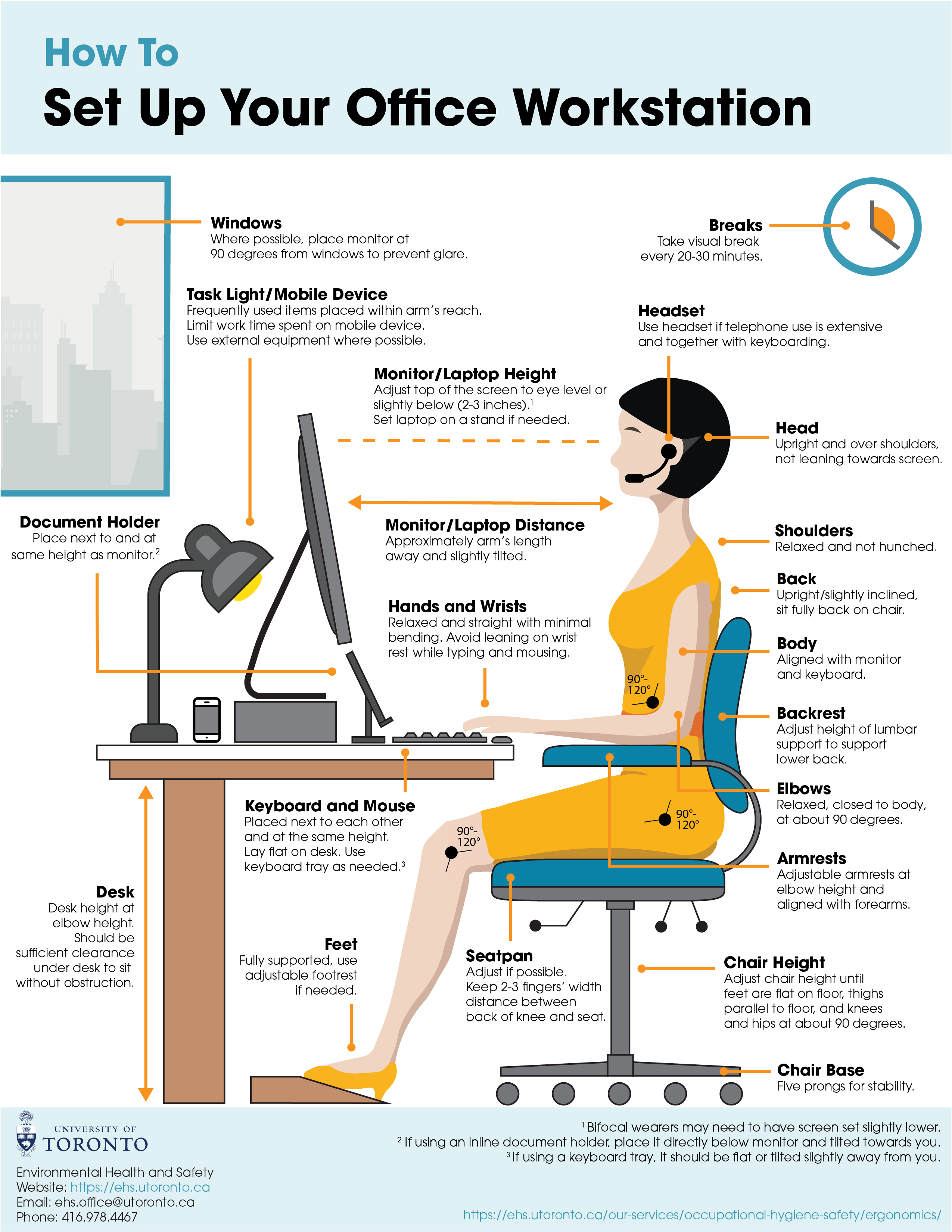
Creating a healthier workspace is essential for productivity and overall well-being. Here are 5 essential ergonomic tips you should consider implementing in your office setup:
- Adjust Your Chair: Make sure your chair supports your lower back and can be adjusted for optimal height. Your feet should rest flat on the ground, creating a 90-degree angle at your knees.
- Monitor Height: Position your computer monitor at eye level to prevent neck strain. The top of the monitor should align with your eyes or be slightly below.
Furthermore, ergonomic accessories can play a significant role in enhancing your workspace. For instance, using a keyboard and mouse that promote a natural wrist position can reduce strain. Consider the following tips:
- Take Regular Breaks: Stand up and stretch every 30 minutes to keep your blood circulating and muscles engaged.
- Use a Document Holder: If you frequently reference papers while typing, a document holder can minimize neck strain by keeping materials at eye level.
Counter-Strike is a popular first-person shooter game that pits teams of terrorists against counter-terrorists in various scenarios. Players can choose to play as either side, with the goal of completing objectives or eliminating the opposing team. For gamers looking to enhance their gaming experience while playing on the couch, check out the Top 10 iPad Stands for Couch to find the perfect accessory.
How to Choose the Right Ergonomic Chair for Your Needs
Choosing the right ergonomic chair is essential for maintaining comfort and productivity, especially if you spend long hours sitting. To start, consider your specific needs and preferences. Look for features like adjustable seat height, lumbar support, and armrest adjustability. A chair that fits your body shape and size will help reduce strain and improve your posture. Additionally, reading reviews and checking for certifications, such as those from the American Chiropractic Association, can provide insight into the chair's effectiveness in promoting good ergonomics.
Once you've identified a few chairs that meet your criteria, it's vital to test them out. Visit local showrooms or furniture stores and sit in each chair for at least 15 minutes to assess comfort and support. Pay attention to the ergonomic features, such as a waterfall seat edge and breathable materials, which can enhance your experience. Remember, the best ergonomic chair is one that supports your unique body mechanics while allowing you to focus on your tasks without discomfort.
Are Standing Desks the Solution to Your Workplace Discomfort?
The rise of standing desks in modern workplaces has sparked debates about their effectiveness in alleviating workplace discomfort. Many employees report feelings of fatigue and discomfort from prolonged sitting, which has been linked to various health issues such as obesity, cardiovascular disease, and even mental health challenges. A standing desk can provide a flexible solution, allowing users to alternate between sitting and standing throughout the day. However, it is essential to adopt proper posture and make gradual adjustments to avoid new types of discomfort.
Incorporating a standing desk into your workspace might be a beneficial strategy, but it’s not a one-size-fits-all solution. For best results, consider the following tips:
- Start with short intervals of standing and gradually increase your time.
- Ensure your screen is at eye level to minimize neck strain.
- Use an anti-fatigue mat to provide comfort underfoot.